





Get Somewhere Safe
Move away from traffic when it is safe to do so and call emergency services if anyone is injured.
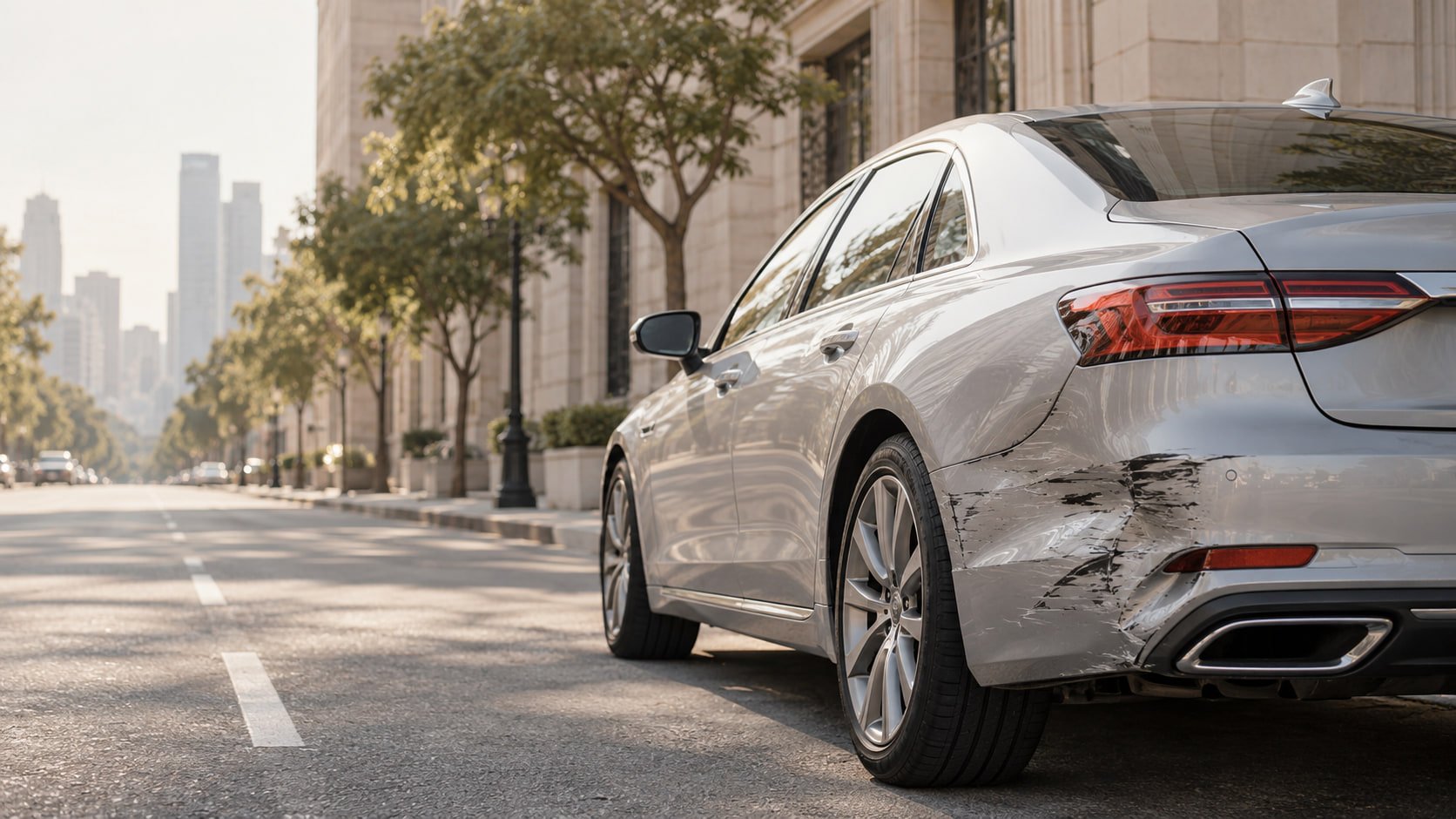
Car Accidents & Rideshare Accidents
Onx Law represents people injured in car, Uber, and Lyft accidents. The right legal guidance can make a difference from the very beginning.
(01) — Overview
Onx Law represents people injured in car, Uber, and Lyft accidents. The right legal guidance can make a difference from the very beginning.
After an accident, you may be dealing with injuries, medical bills, lost time at work, and an insurance company asking questions before you know what comes next.
We’ll learn what happened, evaluate your case, and put the right strategy, legal team, and resources behind it — from preserving evidence and dealing with insurers to finding every policy that may apply.

(02) — What makes it different
A collision can involve more than the driver who was behind the wheel. Several insurance policies may apply, fault is often disputed, and each state has its own rules about who pays first and when you can claim for pain and suffering.
Rideshare crashes add another layer. Uber and Lyft coverage can change depending on whether the driver’s app was off, waiting for a request, or carrying a passenger — so whether you were a passenger, another driver, a pedestrian, or a cyclist, the details matter.
(03) — Evidence that matters
Insurance companies begin investigating quickly. Photos, video, and vehicle data can be lost or overwritten, and witnesses become harder to find as time passes.
After a rideshare crash, the trip record matters too. It can show what the driver was doing when the crash happened, which can decide which coverage applies.

(04) — Who may be responsible
Identifying everyone who may be responsible matters, because each may have its own insurance.
A driver who was distracted, speeding, impaired, or failed to yield may be responsible for the harm they caused.
Uber and Lyft carry commercial coverage that may apply, depending on what the driver was doing at the time of the crash.
If the driver was working at the time — making deliveries or driving a company vehicle — the employer may share responsibility.
Depending on the state and the circumstances, the owner of a car who let someone else drive it may also be responsible.
A defective part or a faulty repair, such as failed brakes or a defective airbag, may point to a company beyond the drivers.
A dangerous road design or a broken signal may involve a public agency. These claims usually have short notice deadlines.
(05) — What compensation may include
Every claim is different. Depending on the facts, the insurance involved, and the state’s law, compensation may include:
What’s available depends on the facts, the insurance involved, and the state’s law. For example, Maryland caps noneconomic damages such as pain and suffering, and Florida and New York limit pain-and-suffering claims after many motor-vehicle crashes unless an injury meets a legal threshold. No particular result can be promised.
(06) — What to do next
Move away from traffic when it is safe to do so and call emergency services if anyone is injured.
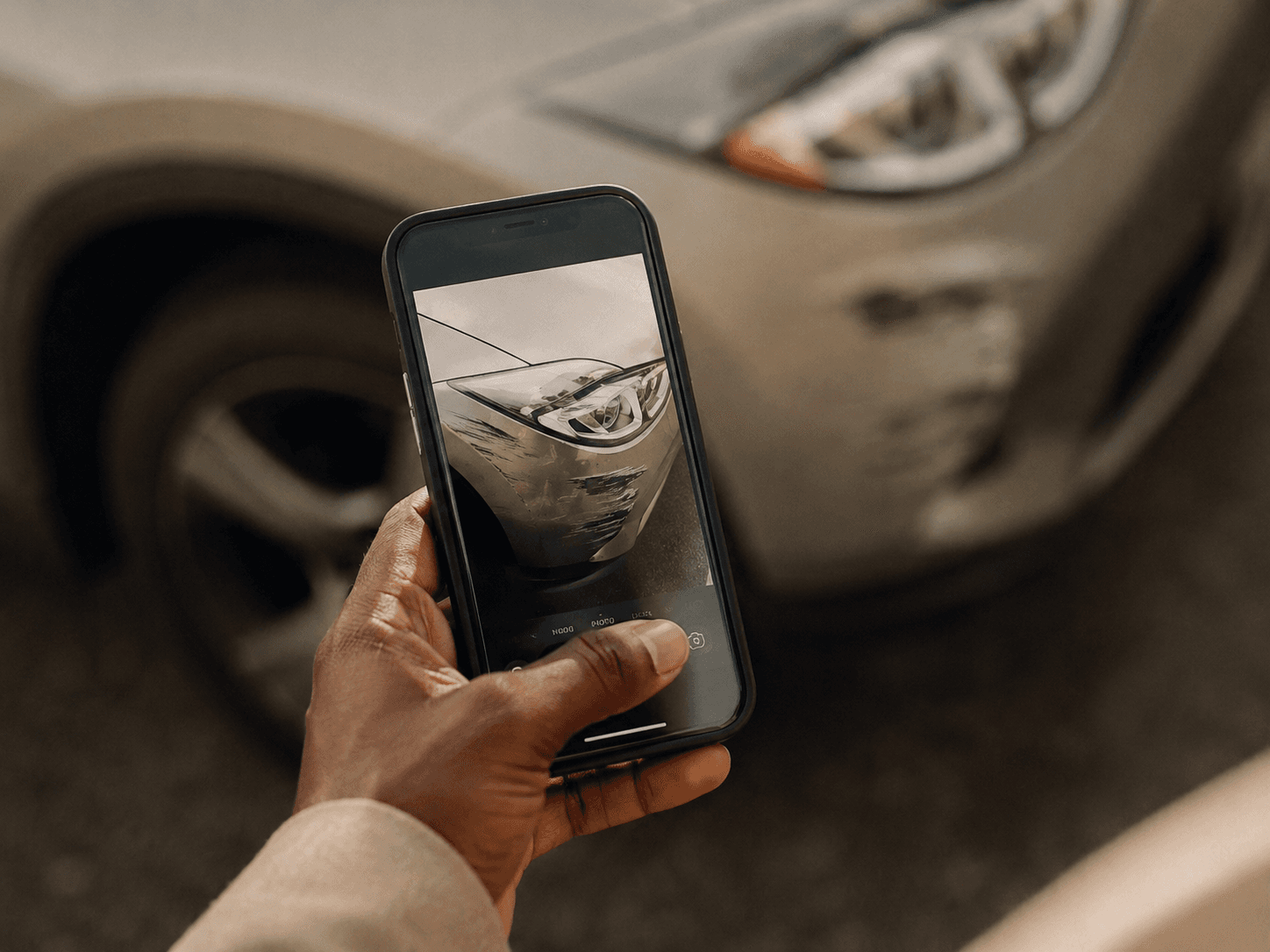
Take photos and videos of the vehicles, damage, roadway, traffic signals, and any visible injuries.
Collect the other driver’s contact and insurance information, along with their license plate number.
Some injuries aren’t immediately obvious. Don’t ignore symptoms that appear after the accident.
An attorney can help preserve evidence, communicate with insurers, and evaluate your options.
(07) — State-specific considerations
General information, not legal advice. Laws change, exceptions apply, and how a rule affects you depends on the facts of your case.
Florida
FL
Florida is a no-fault state. Your own PIP coverage pays part of your medical bills and lost income, up to $10,000 — generally only if you get initial care within 14 days. Most negligence lawsuits must be filed within 2 years.
Source: Fla. Stat. § 627.736Maryland
MD
Under contributory negligence, being found even slightly at fault can bar a claim against the other driver. That makes your own PIP benefits (if not waived in writing) and uninsured motorist coverage especially important.
Source: Coleman v. Soccer Ass’n of Columbia (Md. 2013)Washington, D.C.
DC
If you carry PIP, you generally must choose within 60 days between PIP benefits and a claim against the at-fault driver — a choice that can affect whether you can sue later.
Source: D.C. Code § 31-2405New York
NY
No-fault insurance pays up to $50,000 in medical bills and lost wages, and written notice is generally due within 30 days. To sue for pain and suffering, you generally must show a “serious injury,” a definition narrowed for lawsuits filed on or after May 26, 2026.
Source: N.Y. Ins. Law § 5102(08) — The Onx approach
Every case is evaluated individually. Depending on what yours needs, Onx Law may handle the matter directly, work with co-counsel, or connect you with trusted counsel when doing so better serves your case.




Tell us what happened, in your own words — online or by phone, in English or Spanish. Every case starts with understanding the people involved.
An attorney reviews the facts, the injuries, the insurance, and the law that applies, to determine what your case actually needs.
We put the right legal team and resources around your case. Onx may handle it directly, work with co-counsel, or connect you with carefully vetted counsel whose location, experience, or resources better serve it.
Disciplined case management, data, and technology keep the work organized and moving, while legal judgment sets the strategy — and you’re kept informed along the way.
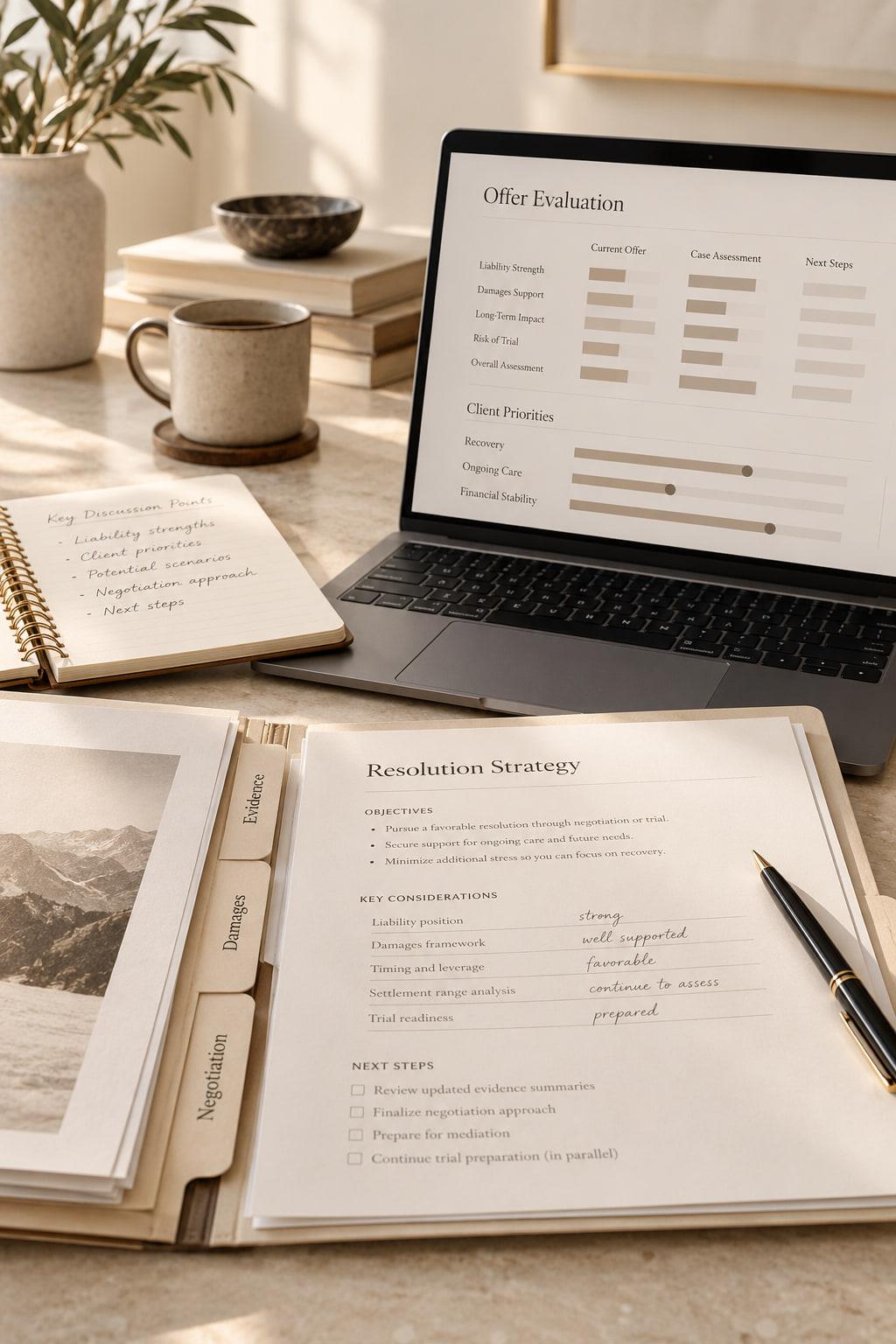
We pursue the resolution your case supports — through negotiation or, when it’s needed, in court — so you can focus on your recovery.
(09) — Questions
General information only, not legal advice. Every situation is different, so the best answer starts with a conversation.
Ask us directlyGet to safety and call emergency services if anyone is hurt. When you can, document the scene, collect contact and insurance details, and get checked by a medical professional. It’s wise to speak with an attorney before giving a recorded statement to any insurance company.
It depends on what the rideshare driver was doing when the crash happened. If the app was off, the driver’s personal policy is usually the first place to look; while the driver was waiting for a request or carrying a passenger, the rideshare company’s commercial coverage may apply. Your own policy can matter too, depending on the state.
You may still have options, such as uninsured or underinsured motorist coverage under your own policy. An attorney can review the policies that may apply and help you pursue them.
You’re generally not required to, and it’s worth talking to an attorney first. Early statements are often taken before you know the full extent of your injuries, and they can be used to limit a claim later.
Often, yes — but the rules depend on the state where the accident happened. Some states reduce what you can recover by your share of fault, while others apply much stricter rules. We’ll explain how the law applies to your situation.
(10) — More practice areas



(11) — Next step
Insurance companies begin investigating accidents quickly. Having an attorney involved early can help preserve important evidence, communicate with insurers, and make sure your claim is evaluated with the full picture in mind.