





Get Safe and Get Help
Get to a safe place and call 911. Your safety and medical care come first.
Negligent Security & Inadequate Protection
Onx Law represents people hurt in assaults and other violent crimes where security should have been better. When it happens, the property owner may share responsibility.
(01) — Overview
Onx Law represents people hurt in assaults and other violent crimes where security should have been better. When it happens, the property owner may share responsibility.
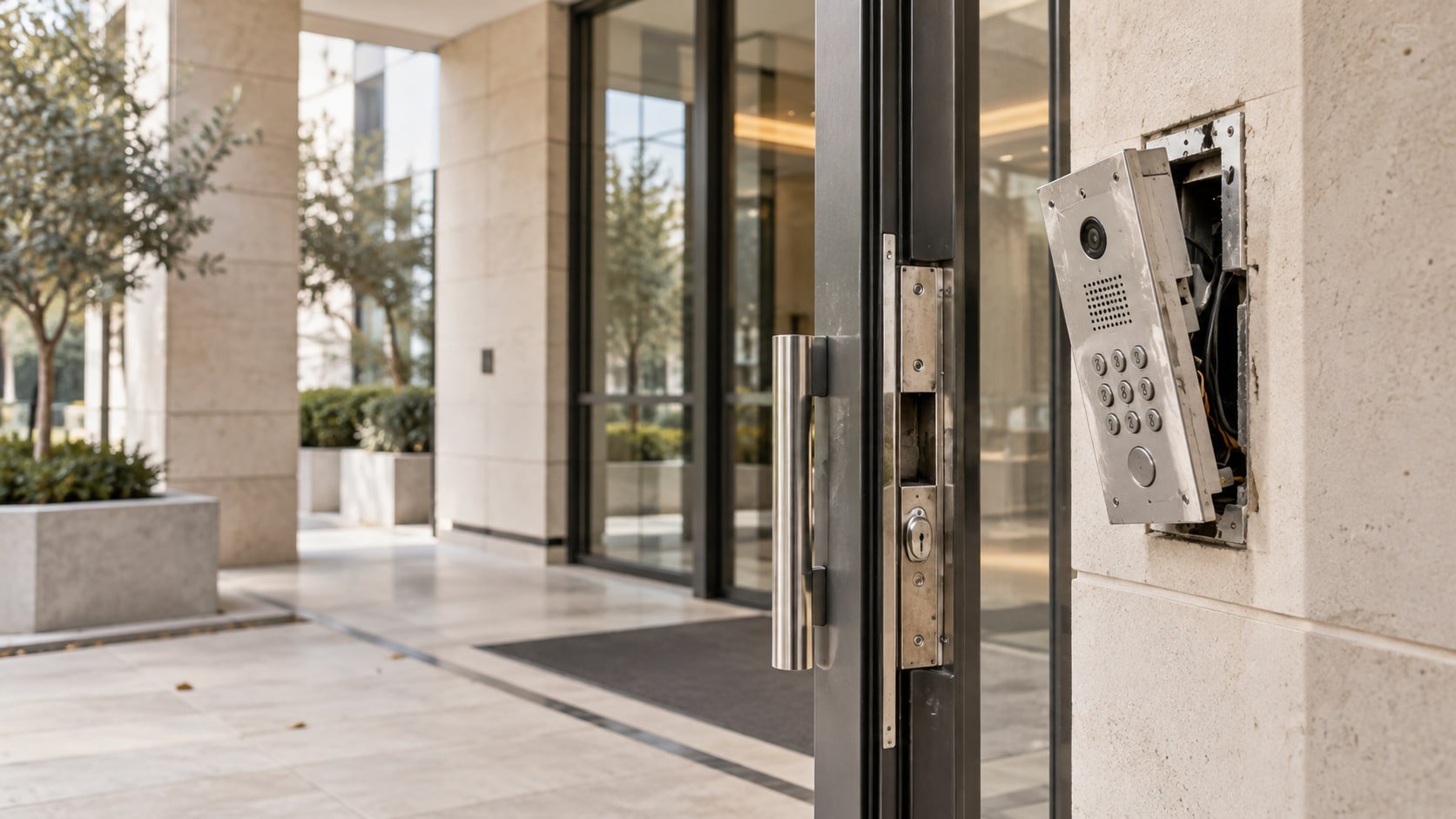
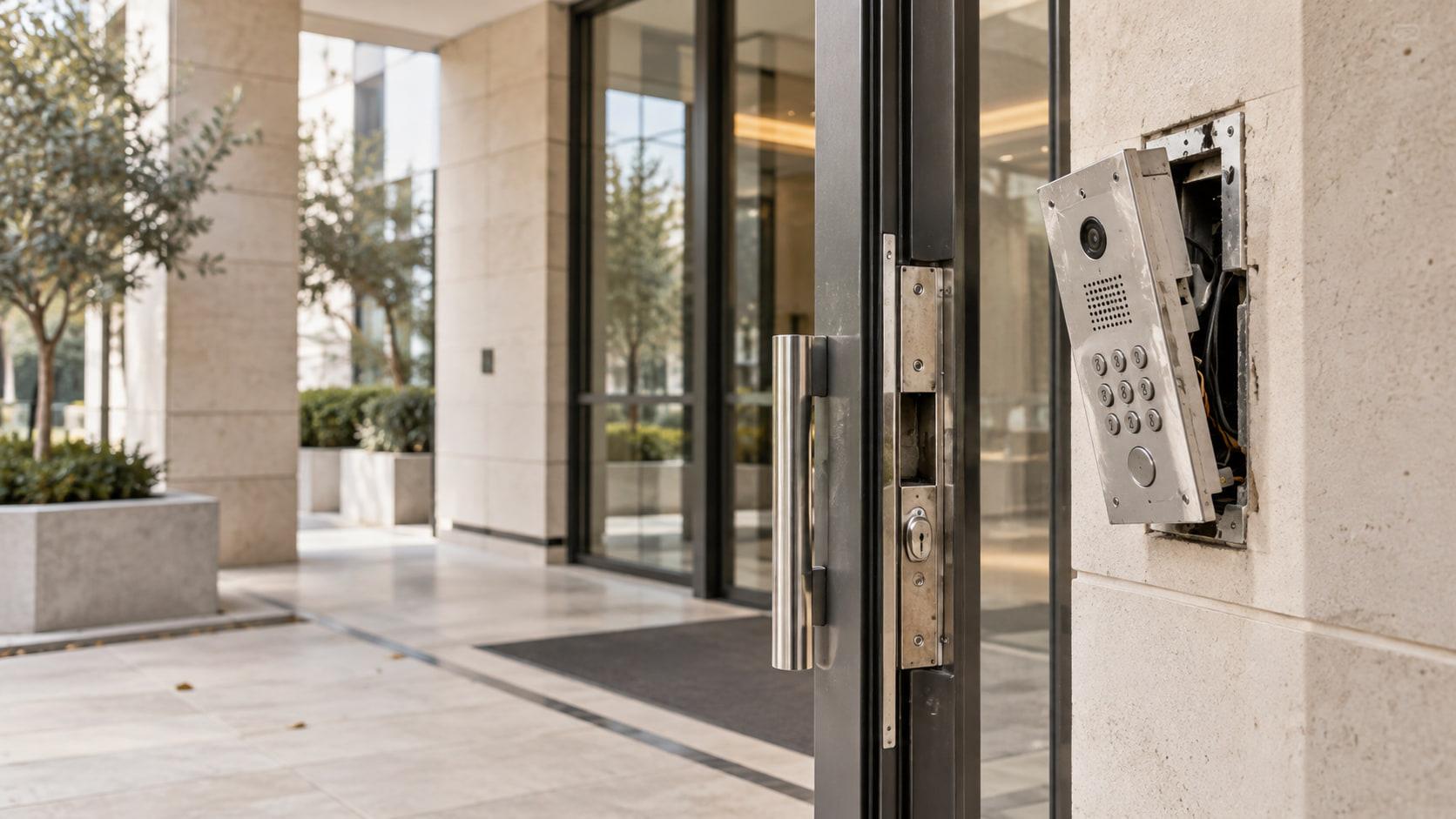
Property owners and managers are generally expected to take reasonable steps to protect people from foreseeable crime. Broken locks, dark parking areas, missing cameras, and ignored warnings can leave people exposed to harm.
We’ll evaluate your case with care and at your own pace, and put the right strategy, legal team, and resources behind it.
(02) — What makes it different
Negligent security claims often turn on two questions: was the crime reasonably foreseeable, and would reasonable security have helped prevent it?
A property owner isn’t responsible for every crime. But when there were prior incidents, complaints, or clear warning signs, the question is often whether the owner should have anticipated the risk and taken reasonable steps to address it — at apartment complexes, hotels, parking garages, bars, shopping centers, and other properties.
(03) — Evidence that matters
Evidence of what the owner knew — prior crimes, complaints, and security assessments — is often at the center of a negligent security claim.
Police reports, call logs, and the property’s own policies can show whether reasonable security measures were in place.
(04) — Who may be responsible
The person who committed the crime is responsible for it. Others may share responsibility for the conditions that allowed it.
An owner who knew or should have known of a risk may be expected to take reasonable security measures.
A company that runs the property may control its locks, lighting, staffing, and policies.
A contractor hired to guard or monitor the property may be responsible for how it did that job.
A hotel, bar, or store may owe its guests and customers reasonable protection.
Landlords and associations may be responsible for securing common areas, entrances, and parking.
(05) — What compensation may include
Depending on the facts and the state’s law, compensation may include:
What’s available depends on the facts and the state’s law. Every state and D.C. also runs a crime victim compensation program that may help with some costs. No particular result can be promised.
(06) — What to do next
Get to a safe place and call 911. Your safety and medical care come first.
Some injuries aren’t visible right away. Medical records also document what you went through.
A police report creates an official record of what happened. Keep the report number and the names of the officers you spoke with.
When you feel able, note the lighting, locks, gates, cameras, and guards, and anything you had noticed or reported before.
An attorney can request video and prior incident records, look into what the property knew, and evaluate your options.
(07) — State-specific considerations
General information, not legal advice. Laws change, exceptions apply, and how a rule affects you depends on the facts of your case.
Florida
FL
Since 2023, juries must weigh the fault of the person who committed the crime, and apartment owners who adopt certain security measures get a presumption against liability.
Source: Fla. Stat. §§ 768.0701, 768.0706Maryland
MD
Contributory negligence and the cap on noneconomic damages can both shape a negligent security claim. Most lawsuits must be filed within 3 years.
Source: Md. Code, Cts. & Jud. Proc. § 11-108Washington, D.C.
DC
A claim against the person who committed an assault generally must be filed within 1 year, while most other injury claims, such as one against a property owner, have 3 years.
Source: D.C. Code § 12-301New York
NY
Most personal injury lawsuits, including claims against a property owner, must be filed within 3 years. Claims involving public property, such as public housing, usually require a notice of claim within 90 days.
Source: N.Y. CPLR 214(5)(08) — The Onx approach
Every case is evaluated individually. Depending on what yours needs, Onx Law may handle the matter directly, work with co-counsel, or connect you with trusted counsel when doing so better serves your case.





Tell us what happened, in your own words — online or by phone, in English or Spanish. Every case starts with understanding the people involved.
An attorney reviews the facts, the injuries, the insurance, and the law that applies, to determine what your case actually needs.
We put the right legal team and resources around your case. Onx may handle it directly, work with co-counsel, or connect you with carefully vetted counsel whose location, experience, or resources better serve it.
Disciplined case management, data, and technology keep the work organized and moving, while legal judgment sets the strategy — and you’re kept informed along the way.
We pursue the resolution your case supports — through negotiation or, when it’s needed, in court — so you can focus on your recovery.
(09) — Questions
General information only, not legal advice. Every situation is different, so the best answer starts with a conversation.
Ask us directlyThey are responsible for what they did. But a property owner or manager may also be responsible if the crime was reasonably foreseeable and reasonable security could have helped prevent it. How responsibility is shared depends on the state.
It often depends on what the owner knew or should have known, such as prior crimes on or near the property, tenant complaints, security reports, or broken equipment that went unrepaired. Each state has its own approach, so the facts and location matter.
Often, yes. A negligent security claim is a civil claim against the property owner or manager, and it may move forward whether or not the person who committed the crime is identified or charged.
Landlords and property managers may be responsible for keeping locks, gates, lighting, and other security features in working order, especially in common areas. Maintenance requests, emails to management, and past incident reports can be important evidence.
Yes. Florida, Maryland, D.C., and New York each have a crime victim compensation program that may help with costs such as medical care, counseling, and lost wages. A civil claim is separate, and an attorney can explain how the two may interact.
(10) — More practice areas


(11) — Next step
You shouldn’t have to face the aftermath of a violent crime alone. Onx Law can help you understand whether the property took reasonable steps to keep people safe and what options may be available to you.