



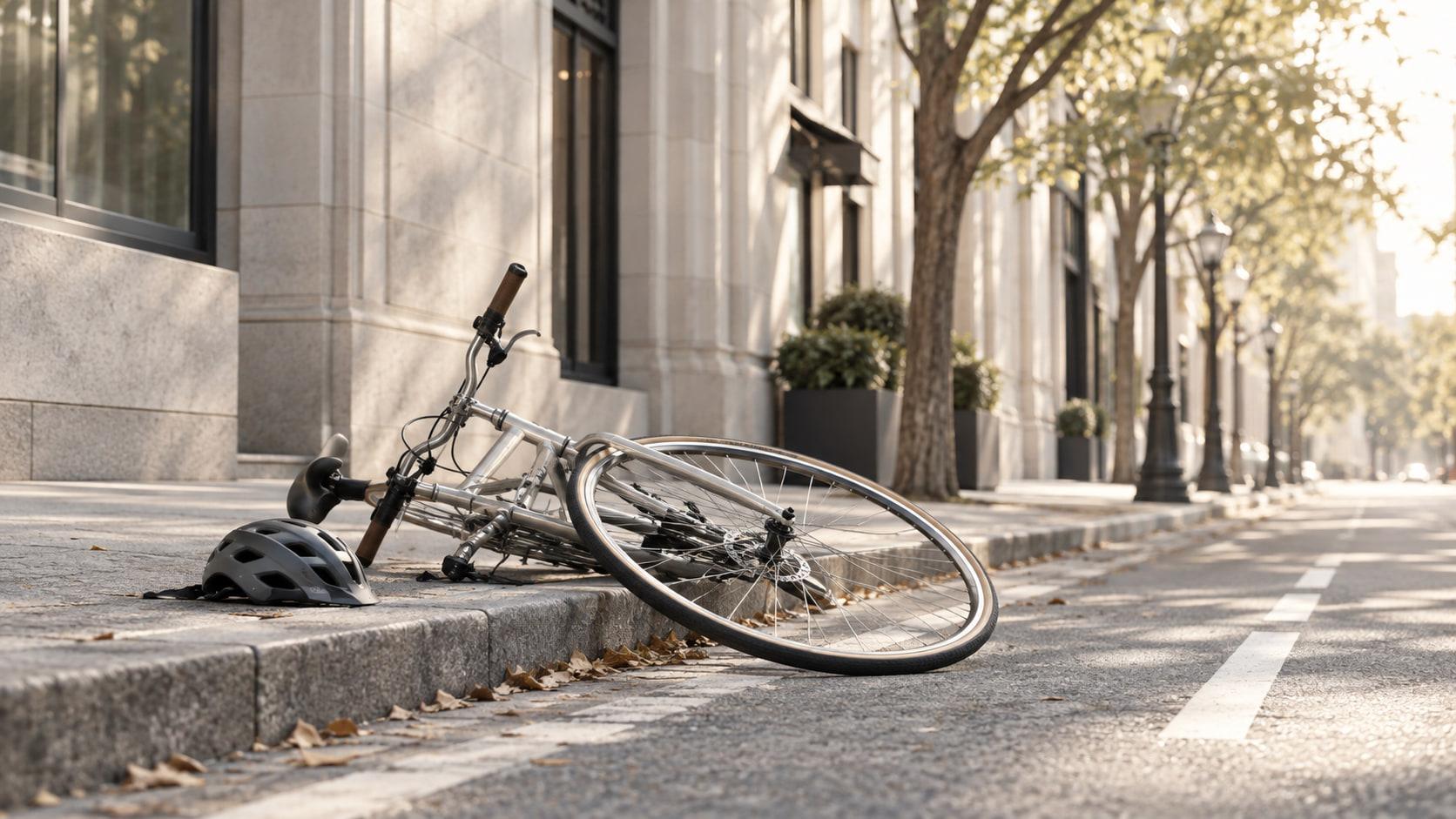

Get Medical Attention
Get care promptly and tell your provider how the injury happened. Some injuries, including those from smoke or chemical exposure, may not show symptoms right away.

Premises Liability & Unsafe Property
Onx Law represents people hurt on unsafe property. Owners and managers are generally expected to keep their property reasonably safe — and when they don’t, people can be seriously hurt.
(01) — Overview
Onx Law represents people hurt on unsafe property. Owners and managers are generally expected to keep their property reasonably safe — and when they don’t, people can be seriously hurt.
Premises liability covers more than slips and falls. Injuries can happen at a pool, in an elevator, beneath a falling shelf or fixture, during a fire, or after exposure to something toxic.
We’ll evaluate your case, identify who controlled the property, and put the right strategy, legal team, and resources behind a claim for the full impact of your injuries.
(02) — What makes it different
A property injury may come from a single moment or from a maintenance problem that was ignored for months. What caused the injury, who knew about it, and who was responsible for fixing it all matter.
In many states, the duty a property owner owes can also depend on why you were there — as a customer, a social guest, or someone without permission, for example. Other states apply a general duty of reasonable care, so the details of your visit matter.
(03) — Evidence that matters
Property injuries often turn on what the owner knew. Complaints, prior incidents, inspection reports, and repair requests can show that a hazard was known and left unaddressed.
Conditions change quickly once someone is hurt, so photographs and an early request to preserve records matter.
(04) — Who may be responsible
At a shopping center or apartment complex, several companies may share responsibility for the same space.
The owner is generally expected to keep the property reasonably safe for the people it invites in.
Common areas, building systems, and repairs are often handled by a landlord or property manager.
A business leasing the space may control the area where you were hurt.
Maintenance, repair, pool, and elevator service companies may be responsible for the work they did — or didn’t do.
A condominium or homeowners association may be responsible for shared areas.
Public property may involve a government entity, with short notice deadlines.
(05) — What compensation may include
Depending on the facts and the state’s law, compensation may include:
What’s available depends on the facts and the state’s law. For example, Maryland caps noneconomic damages such as pain and suffering. No particular result can be promised.
(06) — What to do next
Get care promptly and tell your provider how the injury happened. Some injuries, including those from smoke or chemical exposure, may not show symptoms right away.
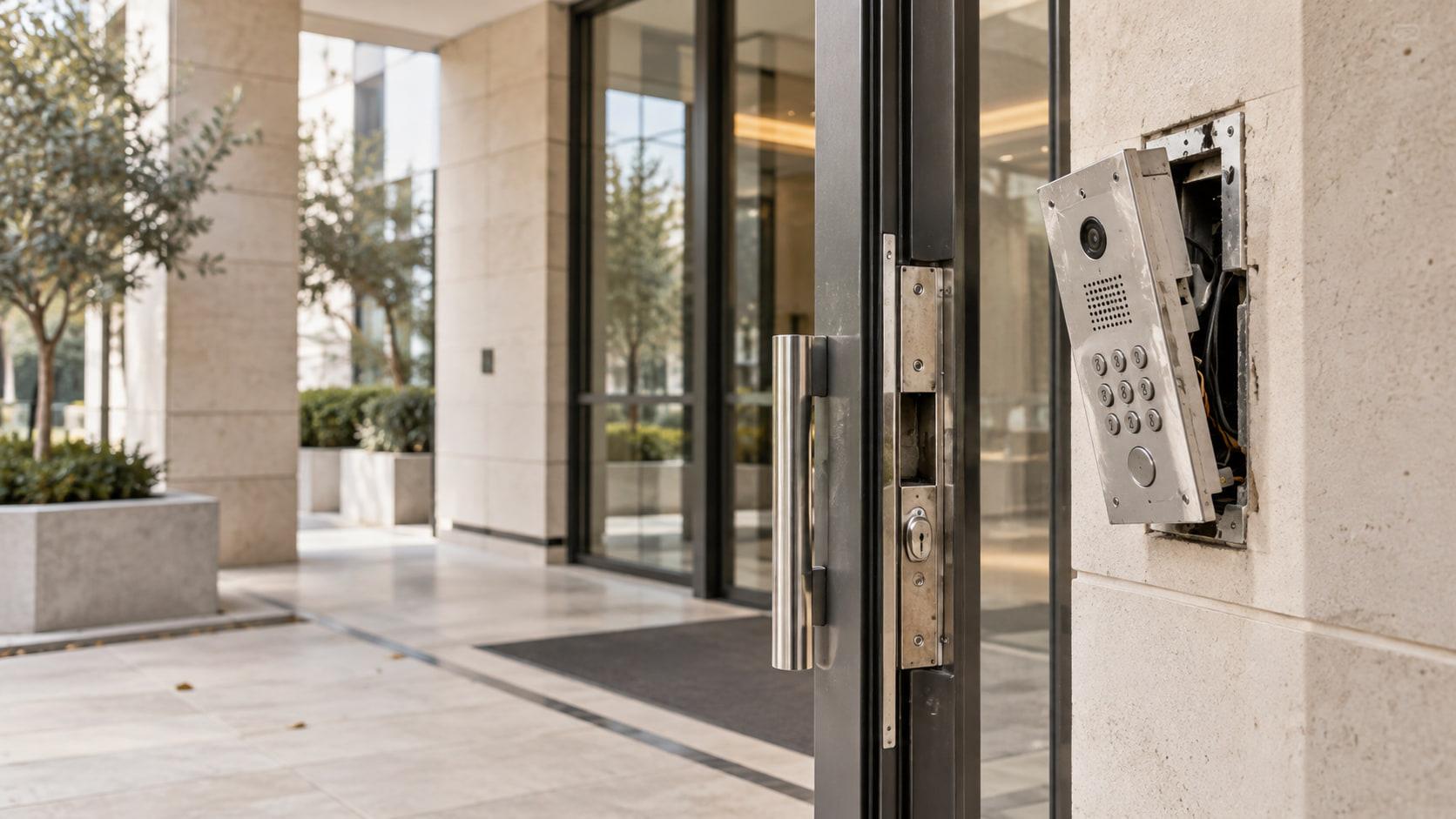
Photograph the hazard and the area around it — a broken gate, a fallen fixture, a faulty door — before it’s repaired or removed.
Notify the owner, manager, landlord, or business. Ask that an incident report be prepared and request a copy if possible.
Keep your clothing, receipts, photos, and any written communication, and write down the names of anyone who saw what happened.
An attorney can help identify who controlled the property, request maintenance records and video, and evaluate your options.
(07) — State-specific considerations
General information, not legal advice. Laws change, exceptions apply, and how a rule affects you depends on the facts of your case.
Florida
FL
If you’re found more than 50% at fault for your own injury, you generally can’t recover; at 50% or less, your award is reduced by your share. Most negligence lawsuits must be filed within 2 years.
Source: Fla. Stat. § 768.81(6)Maryland
MD
Contributory negligence can bar a claim if you’re found even slightly at fault, and noneconomic damages such as pain and suffering are capped.
Source: Coleman v. Soccer Ass’n of Columbia (Md. 2013)Washington, D.C.
DC
Contributory negligence generally applies to property injuries. If District property was involved, written notice to the Mayor is generally due within 6 months.
Source: D.C. Code § 12-309New York
NY
In most injury cases, your own share of fault reduces your compensation rather than barring it. Claims involving public property usually require a notice of claim within 90 days.
Source: N.Y. CPLR 1411(a)(08) — The Onx approach
Every case is evaluated individually. Depending on what yours needs, Onx Law may handle the matter directly, work with co-counsel, or connect you with trusted counsel when doing so better serves your case.





Tell us what happened, in your own words — online or by phone, in English or Spanish. Every case starts with understanding the people involved.
An attorney reviews the facts, the injuries, the insurance, and the law that applies, to determine what your case actually needs.
We put the right legal team and resources around your case. Onx may handle it directly, work with co-counsel, or connect you with carefully vetted counsel whose location, experience, or resources better serve it.
Disciplined case management, data, and technology keep the work organized and moving, while legal judgment sets the strategy — and you’re kept informed along the way.
We pursue the resolution your case supports — through negotiation or, when it’s needed, in court — so you can focus on your recovery.
(09) — Questions
General information only, not legal advice. Every situation is different, so the best answer starts with a conversation.
Ask us directlyIt can. In many states, the duty owed depends on whether you were a customer, a guest, or someone without permission, while other states apply a general standard of reasonable care. Some states also apply special rules when a hazard, like an unfenced pool, attracts children.
Often, a claim involves showing that the owner or manager knew about the dangerous condition, or should reasonably have discovered and fixed it. Maintenance logs, inspection records, prior complaints, and video can help show how long a problem existed.
It depends on who controlled the area and what the lease and local law require. Landlords are often responsible for common areas and for repairs they agreed or were required to make, while a tenant may be responsible for areas under its control.
Pool injuries can involve missing fences or gates, broken drain covers, slippery decks, poor supervision, or unsafe water conditions. Depending on where it happened, the property owner, a homeowners association, a hotel, or a pool service company may share responsibility.
Exposure injuries can take time to appear and to connect to their source. Keep your medical records, note when symptoms began, and save any inspection reports, complaints, or notices you received about the property.
(10) — More practice areas


(11) — Next step
An unsafe property can affect your health, your work, and your independence. Onx Law can help you understand what happened, identify who controlled the property, and determine what options may be available.