



Get Medical Care
Call 911 if anyone is hurt. Some serious injuries, including head and internal injuries, aren’t always obvious right away.
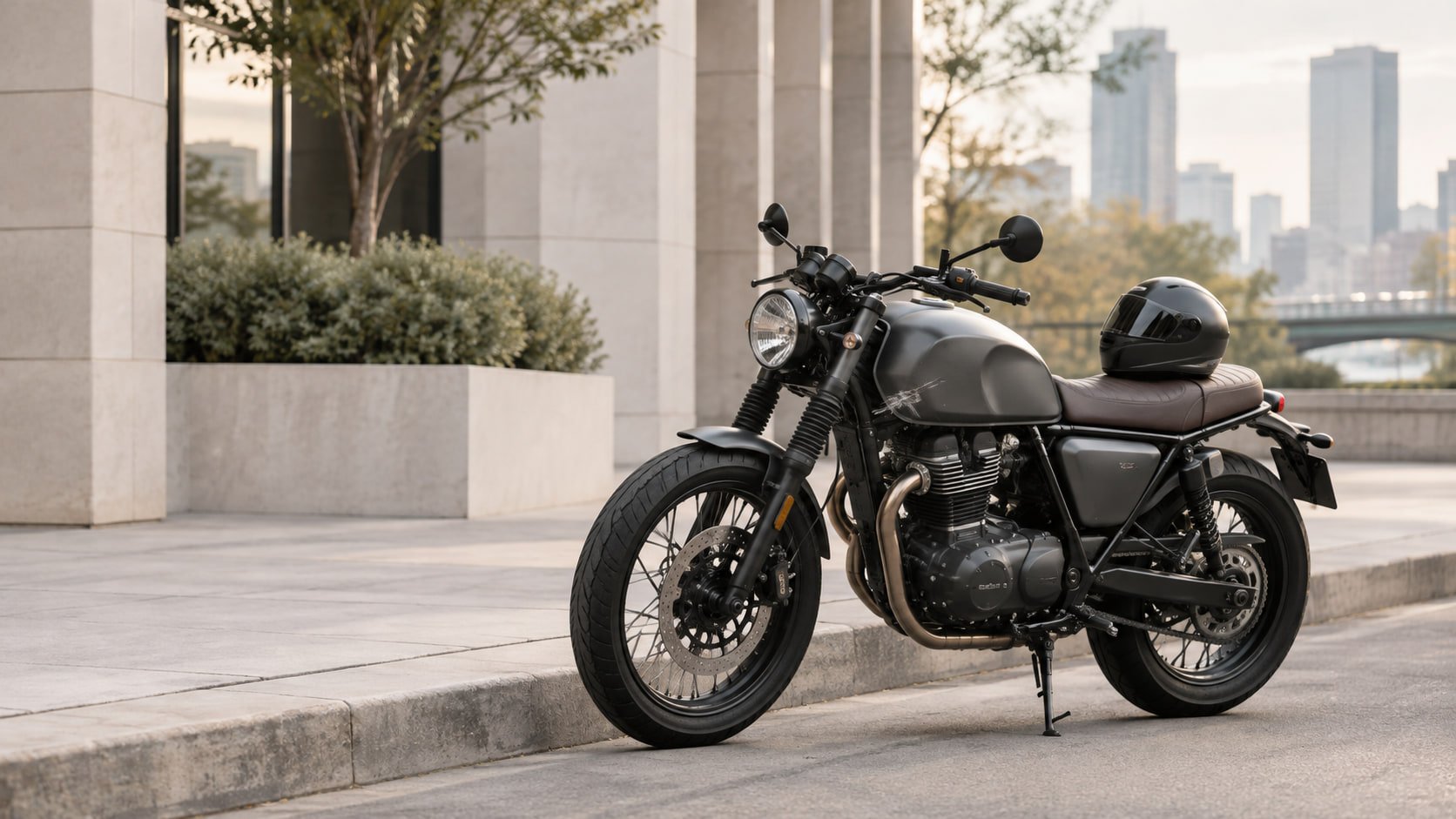
Motorcycle Accidents & Rider Injuries
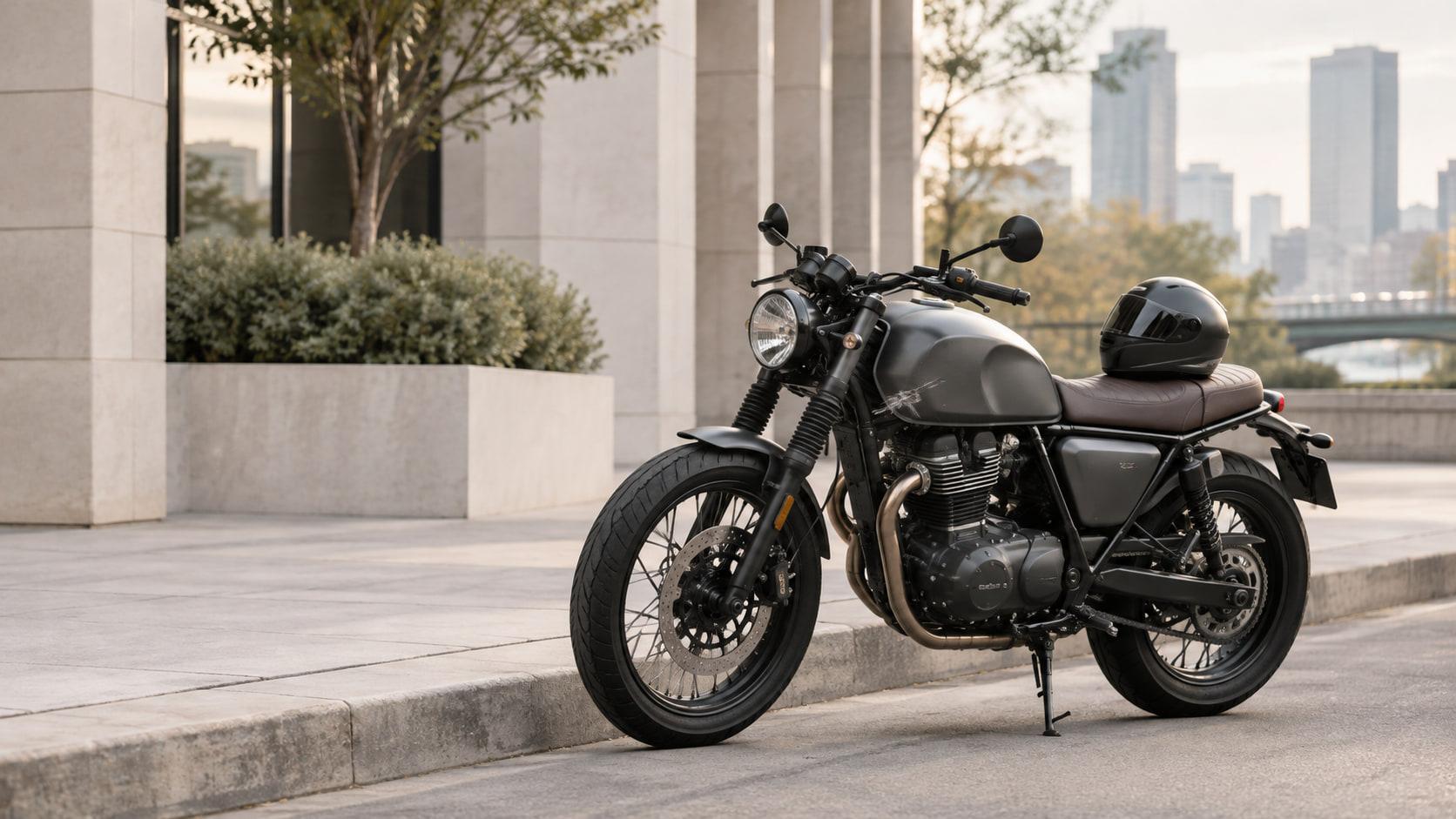
Onx Law represents injured motorcycle riders — people who are too often blamed before anyone looks at the evidence.
(01) — Overview
Onx Law represents injured motorcycle riders — people who are too often blamed before anyone looks at the evidence.
Riders have little protection in a collision, so injuries are often serious. And even when another driver caused the crash, riders can face assumptions that they were speeding or careless.
We’ll evaluate your case, document what really happened, and respond to unfair blame — with the strategy, legal team, and resources your case needs.
(02) — What makes it different
Some people assume motorcyclists are reckless, and an insurer may lean on that assumption to argue a rider was speeding, weaving, or hard to see — even when a driver turned across the rider’s path.
Insurance works differently for riders, too. In some states, the no-fault benefits that cover people in cars don’t apply to motorcycles, which makes other coverage more important.
(03) — Evidence that matters
The damage to your bike and gear, witness accounts, and video from nearby cameras can show how the crash really happened — and answer an insurer’s questions about speed and visibility.
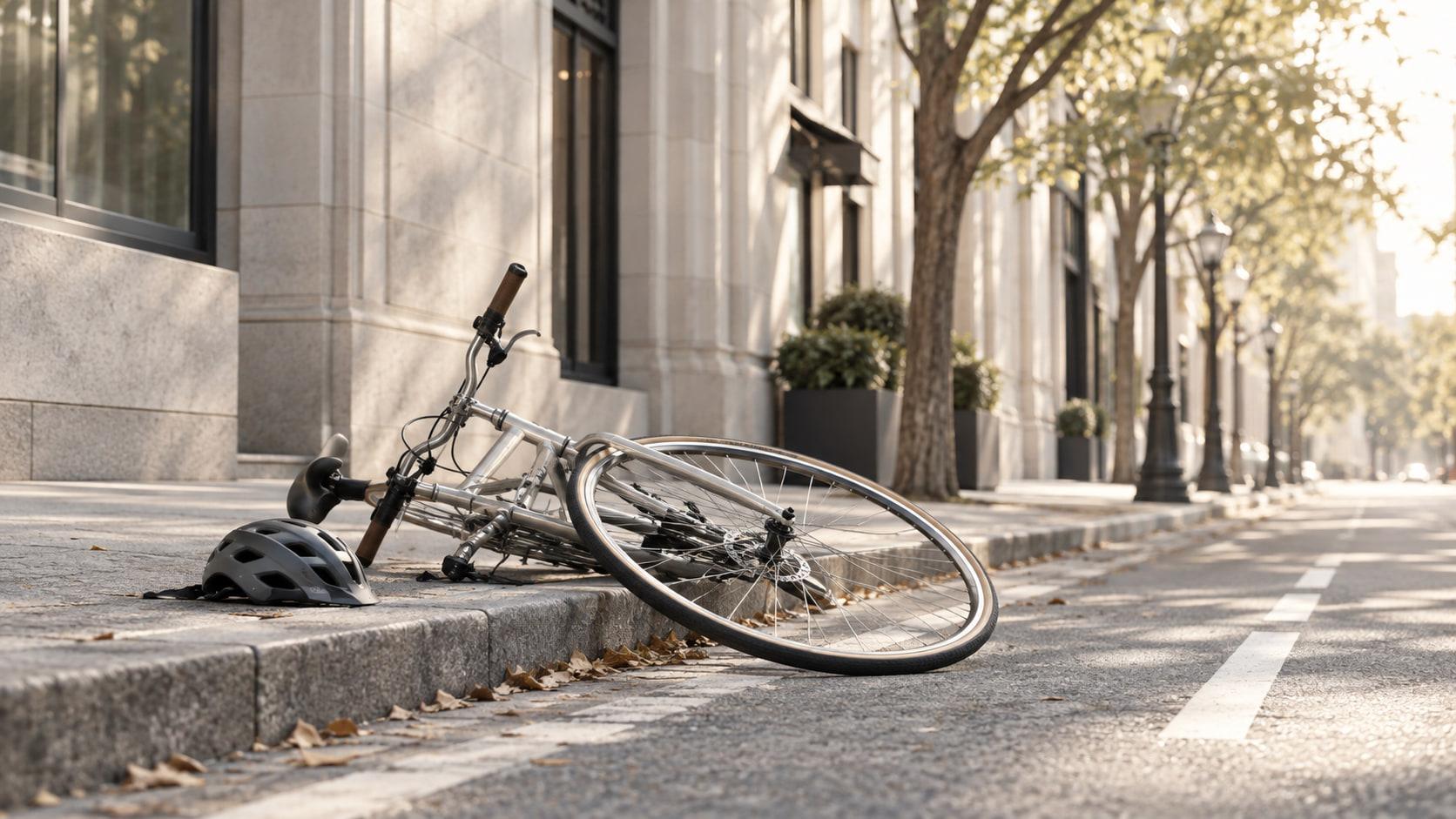
Keep everything until it has been documented. A repaired bike or a discarded helmet can’t be examined later.
(04) — Who may be responsible
Many motorcycle crashes involve a driver who didn’t see the rider, but responsibility can extend further.
A driver who turned across your path, changed lanes without looking, or followed too closely may be responsible.
If the driver was working — making deliveries or driving a company vehicle — the employer may share responsibility.
Potholes, loose gravel, and debris can cause a rider to go down. Claims against public agencies usually have short notice deadlines.
Defective brakes, tires, or other parts may point to the company that made the motorcycle or the part.
Faulty maintenance or repairs may play a part in a crash.
(05) — What compensation may include
Depending on the facts, the coverage involved, and the state’s law, compensation may include:
What’s available depends on the facts, the insurance involved, and the state’s law. For example, Maryland caps noneconomic damages such as pain and suffering, and Florida and New York limit pain-and-suffering claims after many motor-vehicle crashes unless an injury meets a legal threshold. No particular result can be promised.
(06) — What to do next
Call 911 if anyone is hurt. Some serious injuries, including head and internal injuries, aren’t always obvious right away.
Photograph the vehicles, skid marks, traffic signals, and road surface, including any potholes, gravel, or debris that played a part.
Keep your helmet, jacket, gloves, and boots, and photograph your motorcycle before it’s repaired. The damage can help show how the crash happened.
Other riders, drivers, and bystanders can help answer questions about speed and visibility. Note any nearby business or traffic cameras, too.
An attorney can help gather evidence, deal with insurers, and review every policy that may apply to your injuries and your bike.
(07) — State-specific considerations
General information, not legal advice. Laws change, exceptions apply, and how a rule affects you depends on the facts of your case.
Florida
FL
Florida’s PIP law covers vehicles with four or more wheels, so it generally doesn’t pay for a rider’s injuries. Health insurance, medical payments coverage, and uninsured motorist coverage may matter more.
Source: Fla. Stat. § 627.732Maryland
MD
Under contributory negligence, a rider found even slightly at fault may be barred from recovering — which is why insurers so often argue a rider was speeding or hard to see.
Source: Coleman v. Soccer Ass’n of Columbia (Md. 2013)Washington, D.C.
DC
D.C.’s “vulnerable user” protection includes motorcyclists. After a crash with a motor vehicle, a rider’s claim generally isn’t barred unless their own negligence is greater than that of everyone they sue combined.
Source: D.C. Code § 50-2204.52New York
NY
New York’s no-fault system generally excludes motorcycle riders. Riders usually don’t receive no-fault benefits, but they also generally don’t have to prove a “serious injury” to sue.
Source: N.Y. Ins. Law § 5102(08) — The Onx approach
Every case is evaluated individually. Depending on what yours needs, Onx Law may handle the matter directly, work with co-counsel, or connect you with trusted counsel when doing so better serves your case.





Tell us what happened, in your own words — online or by phone, in English or Spanish. Every case starts with understanding the people involved.
An attorney reviews the facts, the injuries, the insurance, and the law that applies, to determine what your case actually needs.
We put the right legal team and resources around your case. Onx may handle it directly, work with co-counsel, or connect you with carefully vetted counsel whose location, experience, or resources better serve it.
Disciplined case management, data, and technology keep the work organized and moving, while legal judgment sets the strategy — and you’re kept informed along the way.
We pursue the resolution your case supports — through negotiation or, when it’s needed, in court — so you can focus on your recovery.
(09) — Questions
General information only, not legal advice. Every situation is different, so the best answer starts with a conversation.
Ask us directlyIt can, depending on the state. Helmet laws vary from state to state, and an insurer may argue that a helmet would have reduced a head injury. But not wearing one doesn’t change who caused the crash, and it may have little to do with other injuries.
Not always. In Florida and New York, for example, the no-fault benefits that cover people in cars generally don’t apply to motorcycle riders. That can make the at-fault driver’s liability coverage, your own uninsured motorist coverage, and your health insurance more important.
“I didn’t see the motorcycle” doesn’t automatically excuse a driver. Drivers are generally expected to watch for all traffic, including motorcycles, before turning or changing lanes. Witness accounts, video, and crash evidence can help show what the driver should have seen.
The rules depend on the state. Some states reduce compensation by your share of fault, while others apply much stricter rules. In D.C., a motorcyclist’s own negligence generally won’t bar recovery after a collision with a motor vehicle unless it was greater than the combined negligence of the defendants.
It may be. Damage to your motorcycle, helmet, riding gear, and other property can be part of a claim, depending on the coverage involved. Keep receipts and photos, and don’t throw anything away until it has been documented.
(10) — More practice areas

(11) — Next step
Riders deserve a fair look at what really happened. Onx Law can help you preserve evidence, respond to unfair blame, and understand the options available to you.