





Seek Medical Attention
Get medical care promptly, especially if you are experiencing pain, dizziness, weakness, numbness, swelling, or difficulty walking.
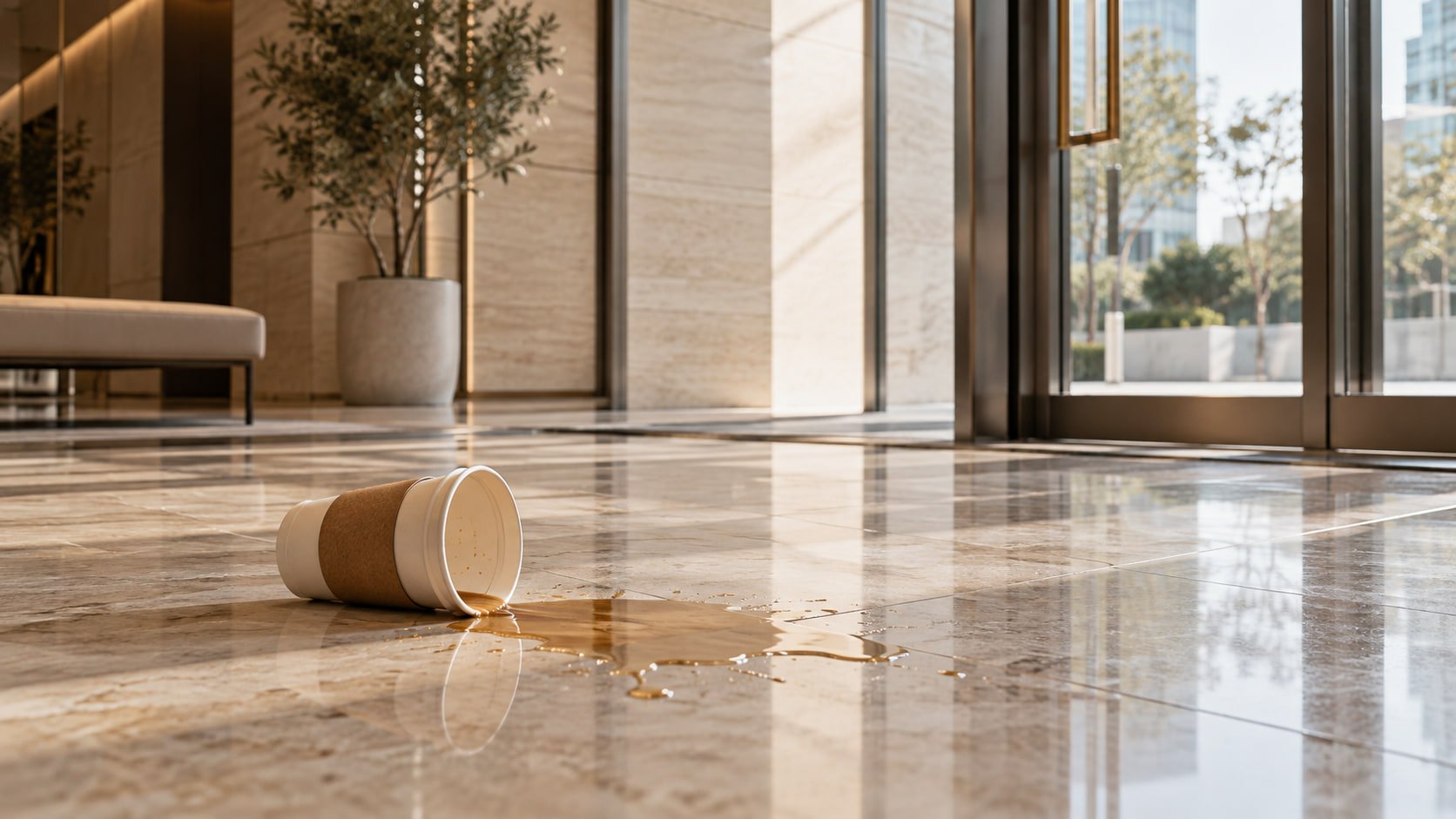
Slip, Trip & Fall Injuries
Onx Law represents people hurt in slip, trip, and fall accidents. A fall can happen in seconds, but the effects may last for months or even years.
(01) — Overview
Onx Law represents people hurt in slip, trip, and fall accidents. A fall can happen in seconds, but the effects may last for months or even years.
You may be facing painful injuries, medical expenses, time away from work, and uncertainty about who is responsible.
We represent people injured on commercial, residential, and public property — evaluating each case, investigating the dangerous condition, and putting the right strategy, legal team, and resources behind the claim.

(02) — What makes it different
A fall may be caused by a temporary hazard, a long-standing maintenance issue, or a condition that a property owner should have discovered. In many cases, the question is what the owner knew — or should have known — before you fell.
Falls can happen almost anywhere: a grocery store, apartment building, office, restaurant, sidewalk, or parking lot. Who owned, managed, or maintained the area matters.
(03) — Evidence that matters
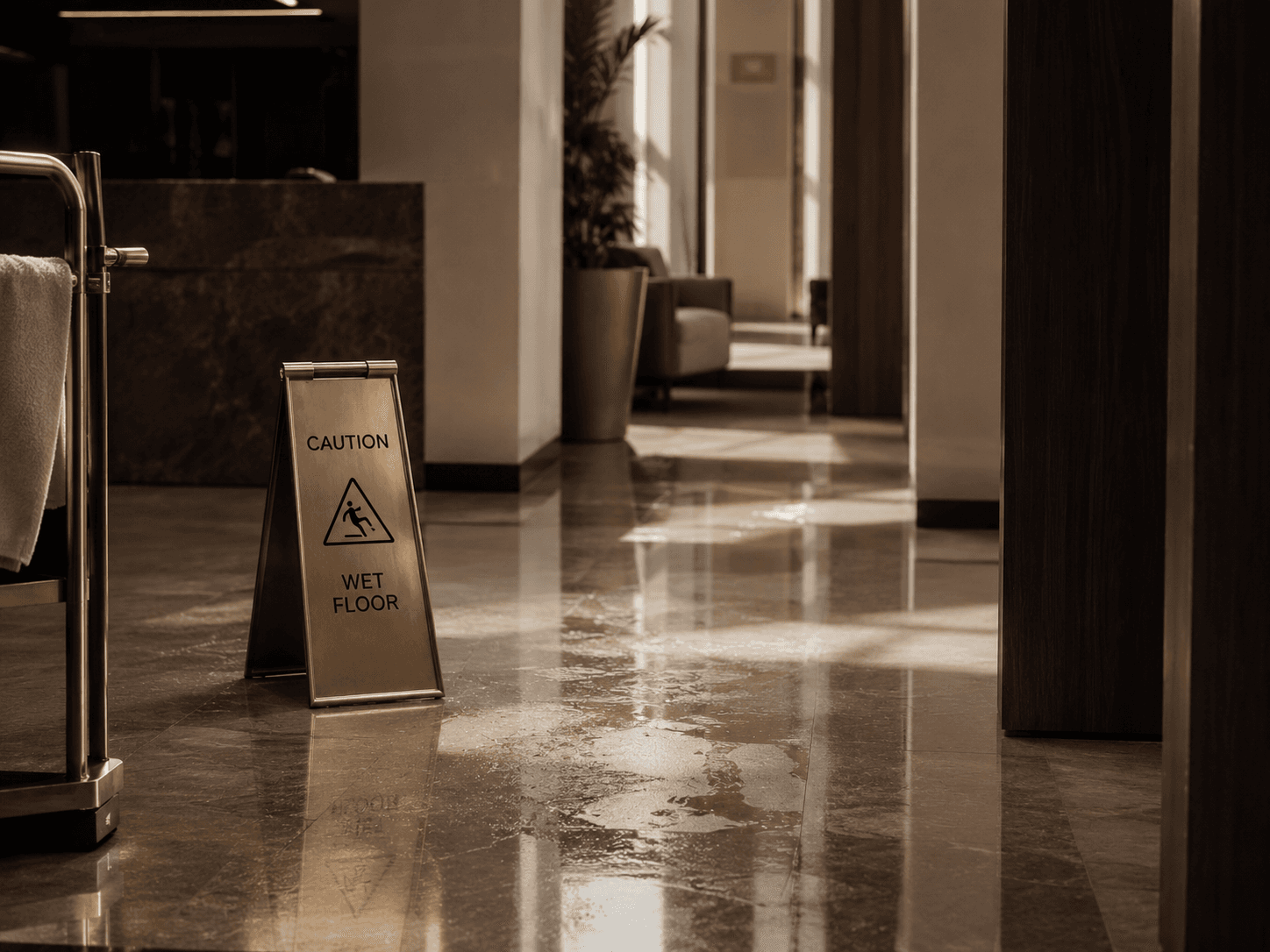
A spill gets cleaned up, a broken step gets repaired, and video is often recorded over within days. What the hazard looked like when you fell can be the most important evidence in your case.
Records of complaints, inspections, and cleaning can show whether the property owner knew or should have known about the hazard.

(04) — Who may be responsible
Responsibility usually follows who controlled the property and who was supposed to keep it safe.
Owners are generally expected to keep their property reasonably safe and to fix or warn about hazards they know of or should find.
A store, restaurant, or other business that controls the space may be responsible for conditions inside it.
Common areas such as stairs, hallways, and walkways are often the landlord’s or manager’s responsibility.
A company hired to clean, repair, or maintain the area may share responsibility.
Falls on public sidewalks or property may involve a city, county, or the District. These claims have short notice deadlines.
(05) — What compensation may include
Depending on the facts and the state’s law, compensation may include:
What’s available depends on the facts and the state’s law. For example, Maryland caps noneconomic damages such as pain and suffering. No particular result can be promised.
(06) — What to do next
Get medical care promptly, especially if you are experiencing pain, dizziness, weakness, numbness, swelling, or difficulty walking.
Take photographs and videos of the exact condition that caused your fall. Capture both close-up images of the hazard and wider views showing where it happened.
Notify the property owner, manager, landlord, or business. Ask that an incident report be prepared and request a copy if possible.
Keep the clothing and shoes you were wearing, along with medical records, receipts, photographs, and any written communication about the incident.
A premises liability attorney can help investigate the condition, identify responsible parties, request surveillance footage, and evaluate your legal options.
(07) — State-specific considerations
General information, not legal advice. Laws change, exceptions apply, and how a rule affects you depends on the facts of your case.
Florida
FL
For a fall on a spill or other temporary substance in a business, Florida law requires proof that the business knew or should have known about it. Photos, witnesses, and video can be key.
Source: Fla. Stat. § 768.0755Maryland
MD
Property owners often argue that a visitor should have seen the hazard. Under contributory negligence, that argument can defeat a claim entirely, so photos and witness details matter.
Source: Coleman v. Soccer Ass’n of Columbia (Md. 2013)Washington, D.C.
DC
For a fall on a District-owned sidewalk or property, written notice to the Mayor is generally due within 6 months — and contributory negligence still applies to falls.
Source: D.C. Code § 12-309New York
NY
In New York City, owners of many buildings must keep the adjoining sidewalk reasonably safe. A fall on city property usually requires a notice of claim within 90 days.
Source: N.Y. Gen. Mun. Law §§ 50-e, 50-i(08) — The Onx approach
Every case is evaluated individually. Depending on what yours needs, Onx Law may handle the matter directly, work with co-counsel, or connect you with trusted counsel when doing so better serves your case.





Tell us what happened, in your own words — online or by phone, in English or Spanish. Every case starts with understanding the people involved.
An attorney reviews the facts, the injuries, the insurance, and the law that applies, to determine what your case actually needs.
We put the right legal team and resources around your case. Onx may handle it directly, work with co-counsel, or connect you with carefully vetted counsel whose location, experience, or resources better serve it.
Disciplined case management, data, and technology keep the work organized and moving, while legal judgment sets the strategy — and you’re kept informed along the way.
We pursue the resolution your case supports — through negotiation or, when it’s needed, in court — so you can focus on your recovery.
(09) — Questions
General information only, not legal advice. Every situation is different, so the best answer starts with a conversation.
Ask us directlyProperty owners, managers, landlords and businesses may be responsible for hazards they knew about, or should reasonably have found and fixed. Sometimes a maintenance or cleaning contractor shares responsibility too.
Yes, if you can. Ask the store, manager or landlord to write an incident report and request a copy. A report made at the time helps show when and where the fall happened.
Photos of the exact hazard and the surrounding area, names of witnesses, the shoes and clothing you were wearing, and prompt medical records. Surveillance footage is often overwritten quickly, so an attorney may ask for it to be preserved.
Claims against a city, county or state agency often have special notice requirements and much shorter deadlines. If a public entity may be involved, it’s important to get guidance quickly.
(10) — More practice areas



(11) — Next step
A dangerous property condition can affect your health, your work, and your independence. Onx Law can help you understand what happened, identify the parties who may be responsible, and determine what options may be available.